

Prime Artist Interview
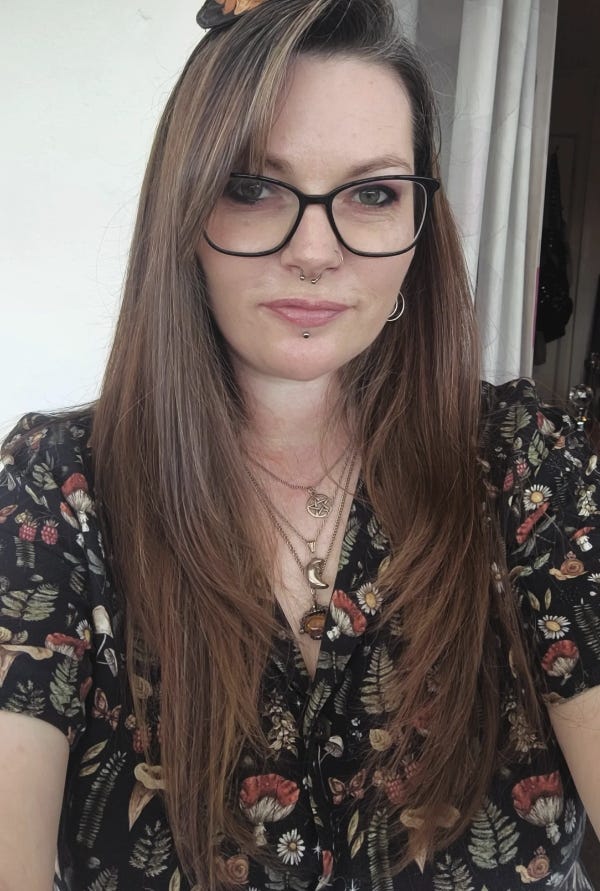
Introducing Stephanie Croydon
Prime Women Artists is a network of nearly 150 Cornwall based, female artists across all disciplines aiming to collaborate, inspire, support and learn together.
We are asking members of Prime Women Artists to share their practices, inspirations and dreams for the future.
Today we are delighted to introduce you to Stephanie Croydon.
How did your art journey begin?
Art was a favourite hobby as a child, doodling in my reading books before I had a sketchbook, and it was my favourite subject at school. My work was often shown by the teacher to the class, and I always had a sense of pride over it. I studied art at GCSE and AS Level, but for several reasons it wasn’t working out for me; I left sixth form and went on in a different direction.
Some years later after moving from Yorkshire to Cornwall, having children and leaving my career in childcare and education, I went back to college to study a yearlong diploma in art and design. It was a very intense and challenging course with my children just starting nursery and school. However, I was introduced to various workshops, learning many new skills, being introduced to new artists and made to question and push my process and development, nothing like I had in sixth form! Within a few months of starting, I had applied to do a degree and knew that my calling was a career in art.
What kind of artist are you?
I consider myself an interdisciplinary artist, I mostly work in paint, textiles, printmaking, and mixed media.
My degree: BA (Hons) Contemporary Creative Practice, was about recognising that not all artists stick to making art in one way. As a student I was expected to develop a body of work using various disciplines such as photography, printmaking, textiles, graphic design, ceramics and more. I could have chosen a degree in fine art and then later specialised in painting or illustration, but I really cant stick to just one process!
Why do you create? What does making do for you?
Creating is second nature to me; it’s something that I have always done, and I couldn’t live a life without art. I use art to process emotions and the feeling of a place, it helps me zone out of one world into another, like meditation or a form of mindfulness. At university I discovered a quote that I have always kept in mind:
‘to make visual how the world touches us’ by Merleau-Ponty.
What lights you up and inspires you?
Most of my work is based on landscape and coastlines, I love the connection with history, geology, cycles of nature, spirituality, myth and folklore. Knowing there is more to landscape than what is on the surface. My current portfolio of artwork is exploring the theme Earth Magick: a spiritual connection to place.
It took a long time to feel like Cornwall was my home and that I had some roots here, so connecting with my surroundings is important in my art practice, to make sense of my place in the landscape.
I have had a fascination with the moon, nature and the ancient landscape since I was a child, I felt little pockets of space around the tree roots and clumps of moss were spaces for little things we couldn’t always see, a liminal space that felt special and beyond the ordinary.
I go for walks, making sketches and taking photos everywhere I go. I visit a lot of exhibitions and I’m also inspired through reading and music; I make notes and quotes and have small scraps of paper all over and in my phone. Sometimes these will inspire an artwork or a title of a piece.
Which place/s in Cornwall inspire you the most and why?
Growing up in Yorkshire I lived near the woods and I would spend a lot of time in there. I now live near Tehidy Woods and when I was studying my degree I would often go there with my sketchbook. The woods always feel like somewhere I belong.
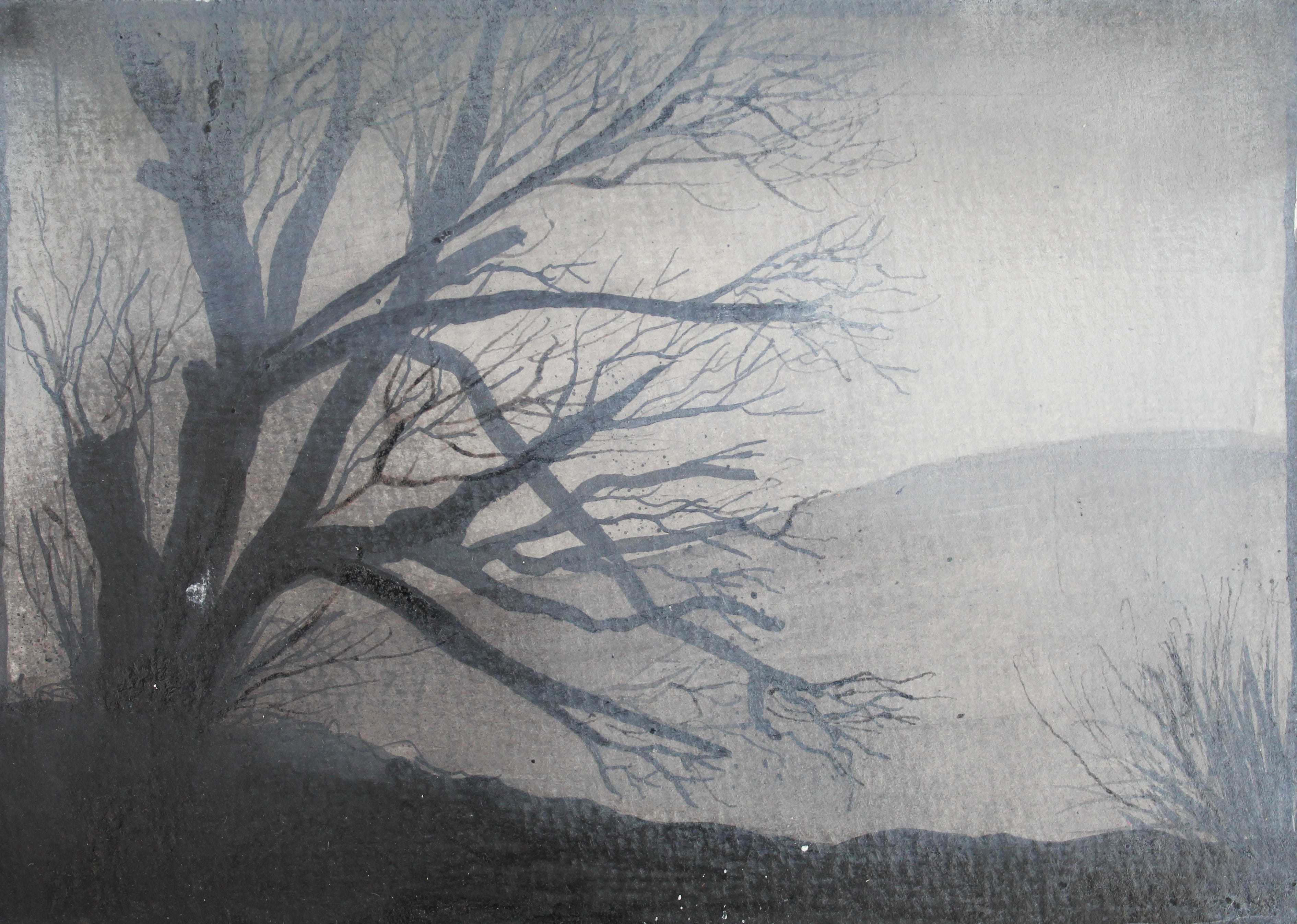
I have been working in St Ives for the last 13 years, so the coast has inspired a lot of my artwork. The views from nearby Trencrom and Trevalgan are spectacular, and both places have informed my work. You can see the coastline and beautiful countryside for miles and wildlife such as birds of prey, they help me to escape the everyday mundane for a while.
Where do you create?
I have converted half of my conservatory into a studio at home.
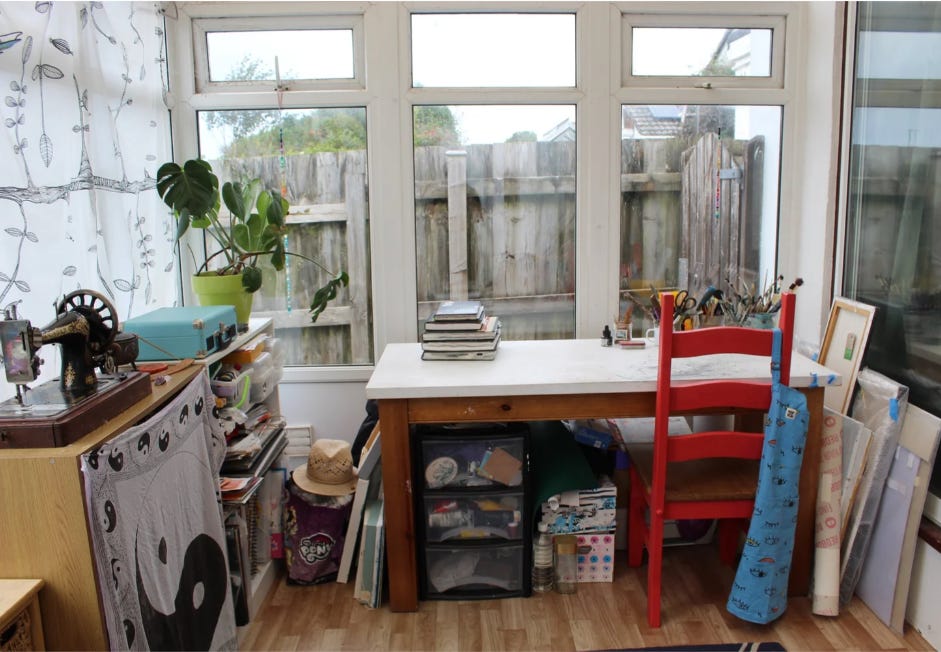
In the past I have had a studio at Krowji, Redruth. This was a yearlong residency which I won at the end of my art degree.
Give us an insight into your creative process. How do you get started?
I like to work outside when the Cornish weather will allow. I like to inquire and research my surroundings. This can involve quick sketches, making notes about what I see and hear, thoughts and feelings that come up, photographs, collecting sticks to draw with ink, nature objects like stones or lichen. I then collate all my information in my studio and work from what I have.
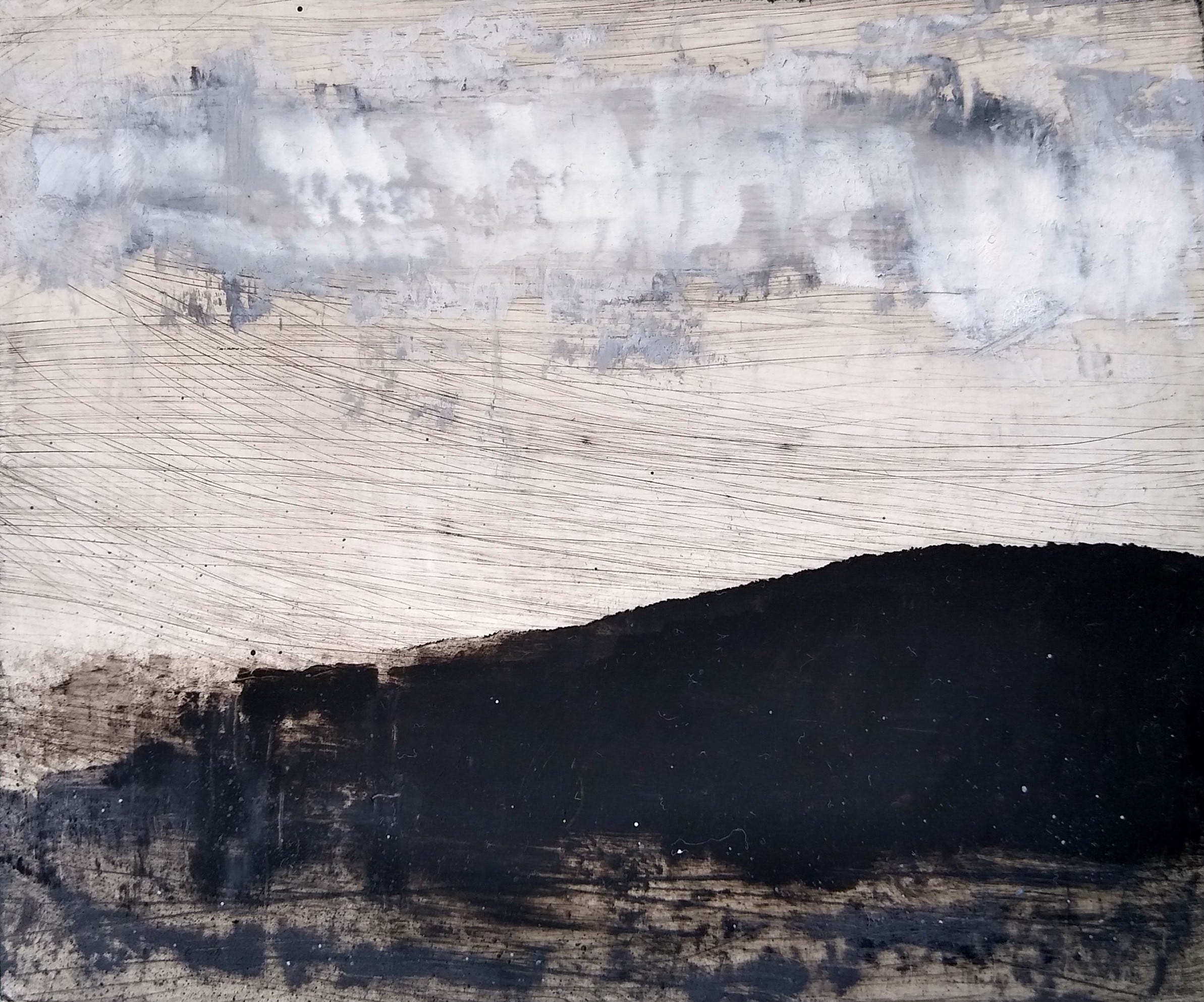
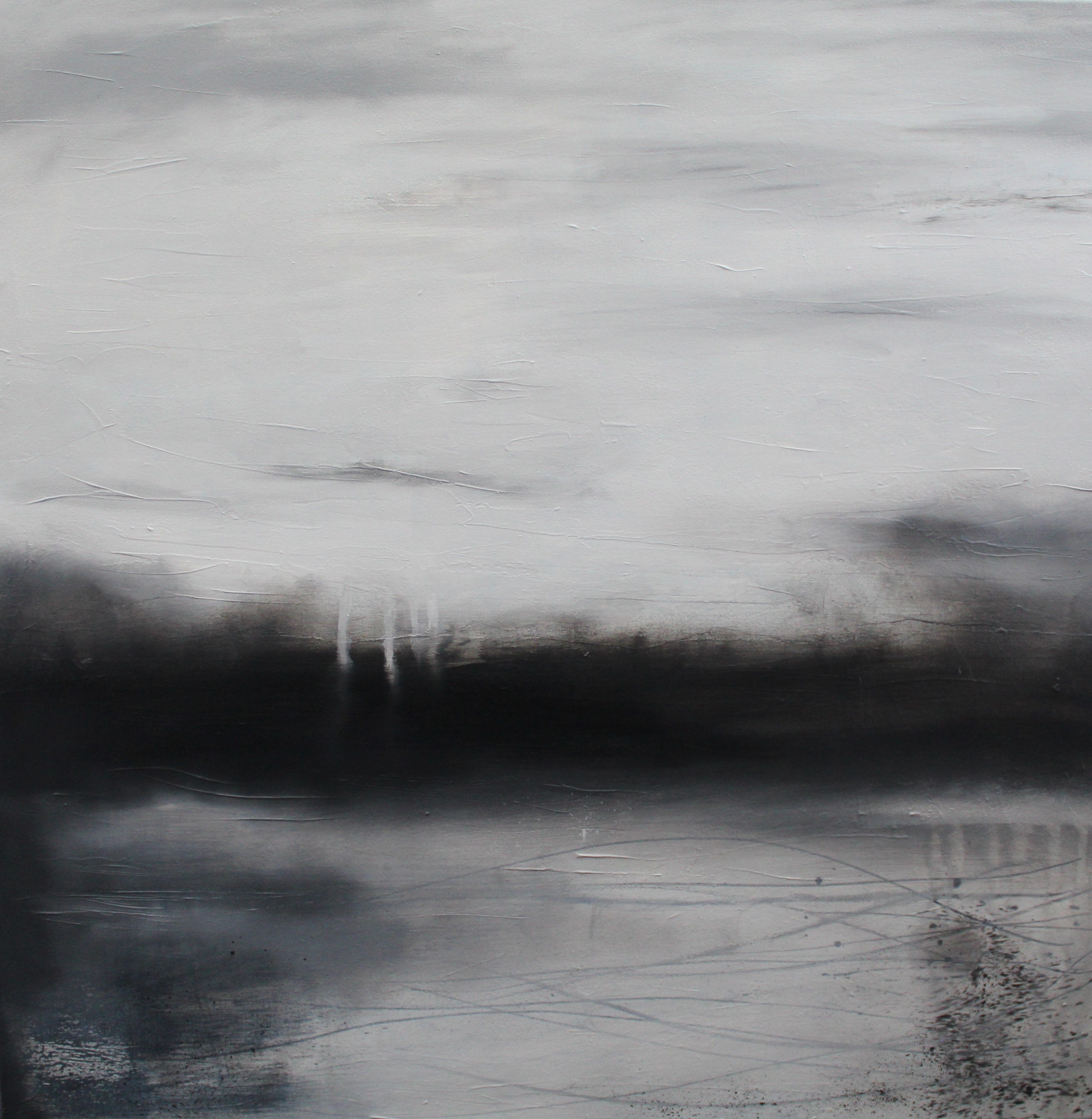
In the studio I like to listen to music or podcasts with a lit candle, some incense, a hot cup of coffee with my cats sitting nearby. Its my happy place where I can get in the zone to work.
Tell us about one of the favourite artworks you have created? Why do you like it so much and did making it teach you anything significant?
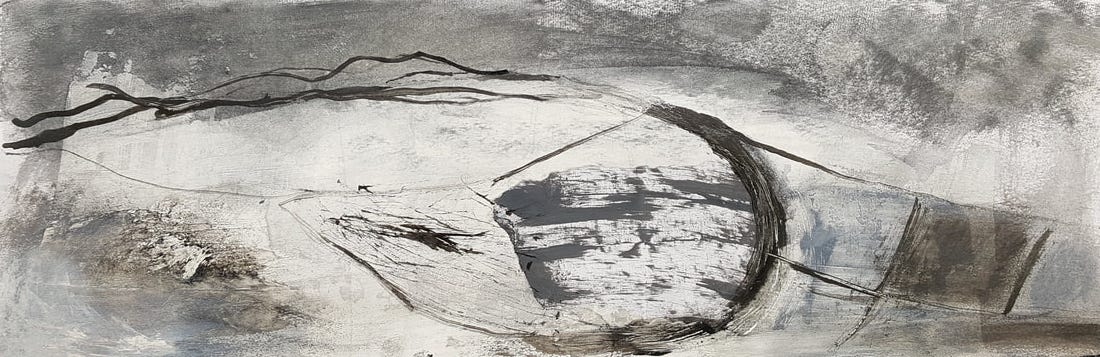
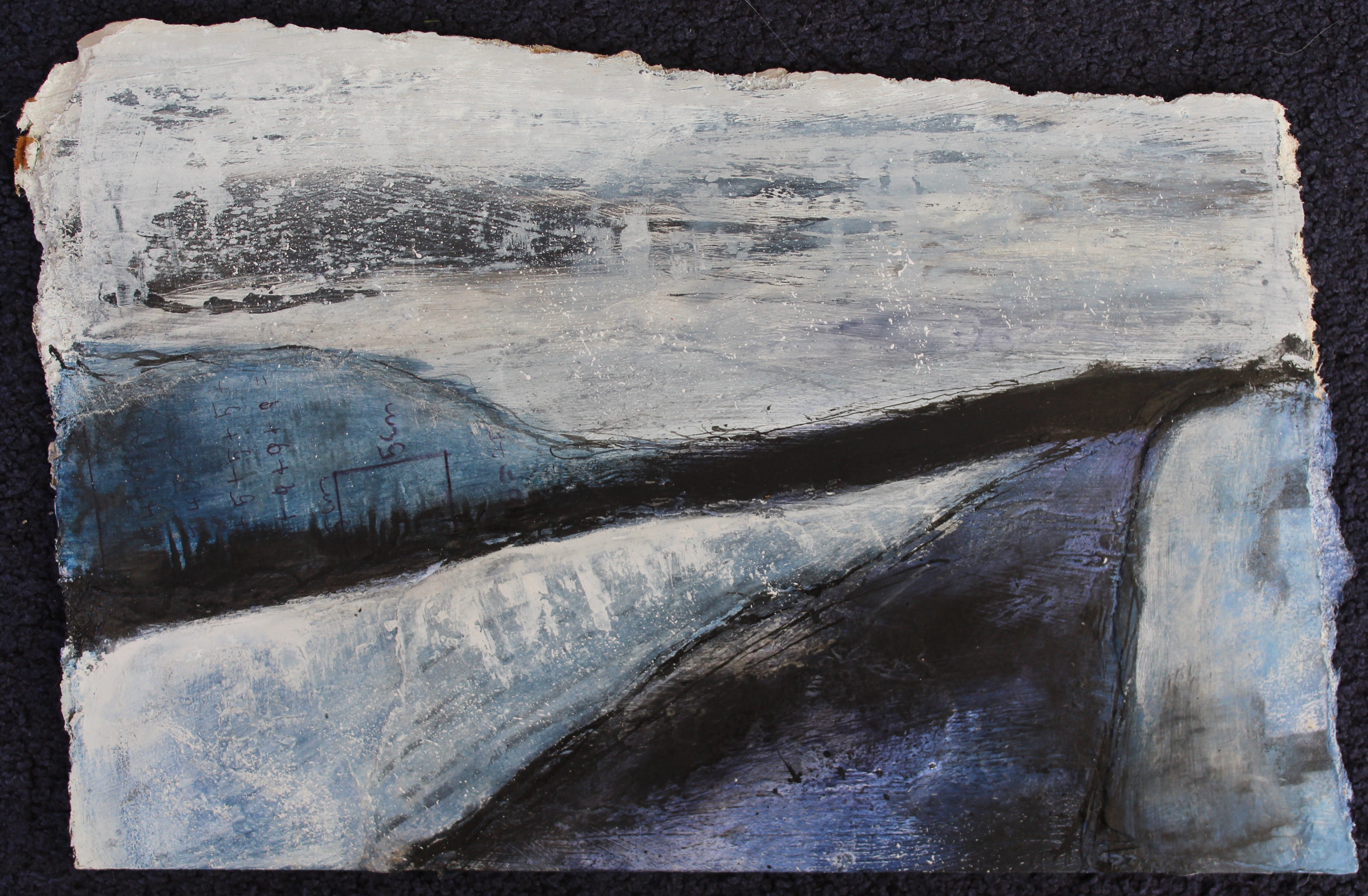
‘Winter Spray Blowing Inshore’ is one of my favourite artworks. It’s a black and white oil on card piece. This was an experimental painting I made in an art workshop which I have framed and at the time of writing, is on display at Penwith Gallery, St Ives. I have another piece made at the same time called ‘Porthmeor and The Mariners Church’ and its hard to choose between the two.
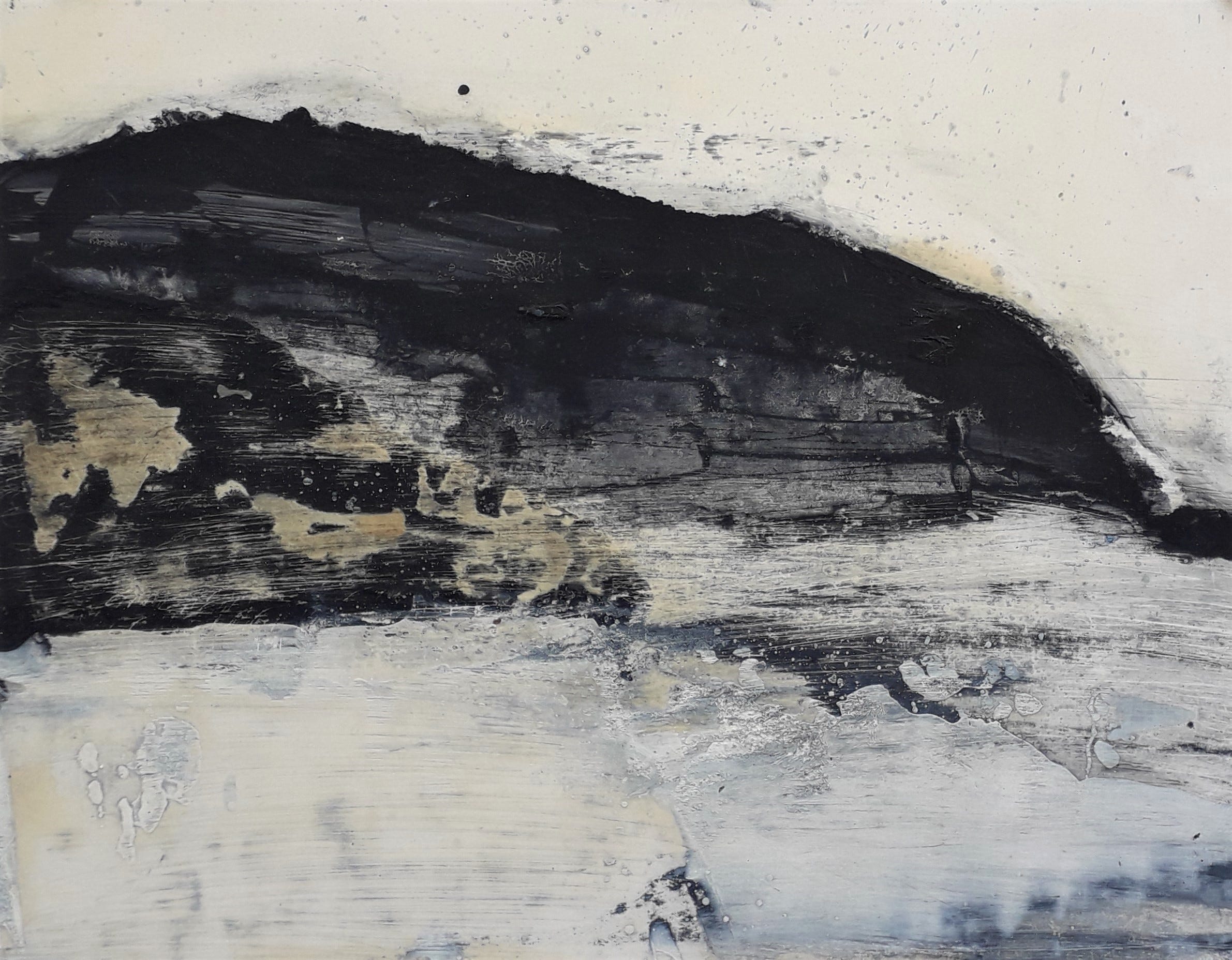
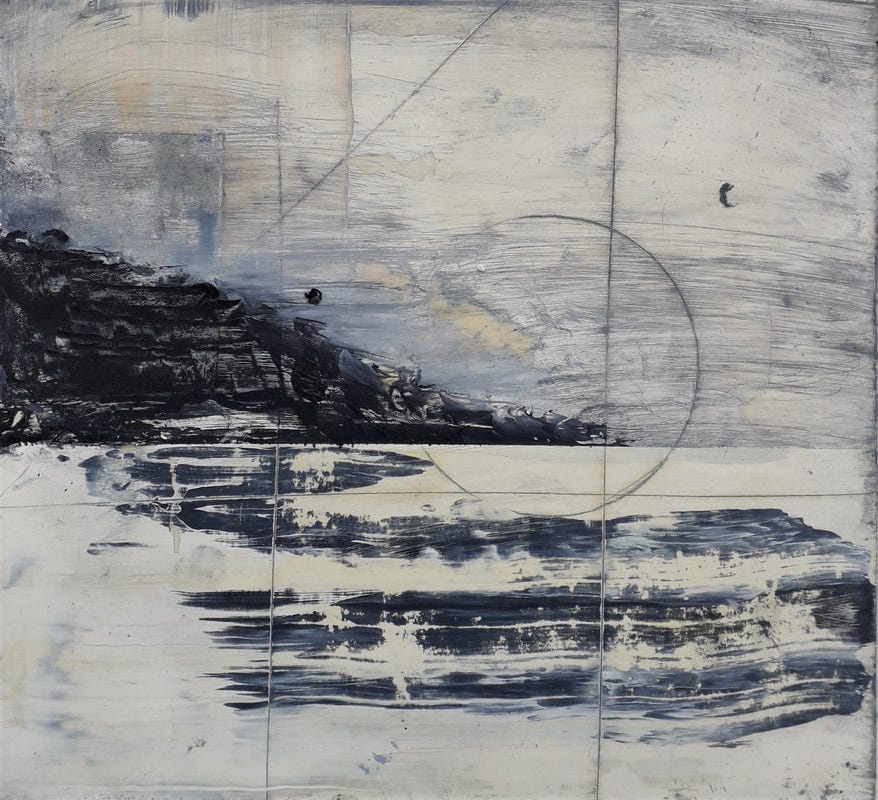
The piece was made by applying oil to a card, scraping the paint off again, sanding it when dry and scoring into the surface. It taught me to not be precious with my materials and see how far they can be pushed. In this case it has taken some of the paint off to reveal the original surface again, but also the scratches and marks left behind give it energy. The energy it gives reflects the energy of the sea and because of the way it was made, it couldn’t be replicated mark for mark.
Has failing at anything in your creative practice led to an epiphany or taken you in a new direction?
Absolutely! I believe you don’t really learn unless you fail along the way, and not just in art either. Failing makes you question, doing something perfect every time doesn’t.
I once had a yearlong mentorship and at the end I had planned to have an exhibition of all the work I made in a specific place. I had to apply for the exhibition, and I was rejected. What made it hard was it was somewhere that I had been involved with, and I felt embarrassed to be rejected. I felt low, but I had the opportunity to enter one of the paintings in an exhibition at Tate Modern, London. I made the trip to London and during the private view I got chatting to a lady who bought it from me there on the spot. It felt amazing.
If art sometimes get rejected from one place, it doesn’t mean its not the right fit somewhere else.
I like listening to the podcast ‘How to Fail’ by Elizabeth Day. It’s helpful to hear other people’s life experiences and how they turned it around.
Do you experience creative ruts and when this happens how do you deal with this?
I often have long periods of not creating as I have a job working 5 days a week plus two teenagers, a husband and two cats! Luckily for me, my job is within the gallery and museum sector, so I can look at art everyday and be inspired. This is often why I have multiple scraps of paper everywhere.
Occasionally, it helps to visit galleries elsewhere for inspiration. I often find a long walk helps or looking back through my old work. I set up my Pinterest page as a library of artwork I find inspiring. I have created boards based on themes and colours. Being an interdisciplinary artist means choosing how to create can be overwhelming.
Do you have a favourite artist/s and have they inspired the way you create your own artworks?
I follow many current and local artists that inspire me daily. More well-known artists would be Kurt Jackson and Peter Lanyon for their landscape work, I have often looked to them for the way they layer the materials and depict the landscape for the raw way it is, not for the Cornish tourist market.
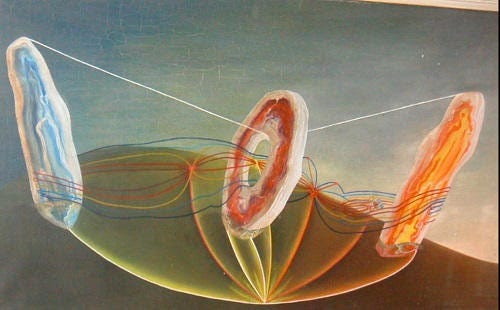
Barbara Hepworth for her work ethic (I also give talks on her at her museum), Ithell Colquhoun, my favourite painting of hers is called ‘Sunset Birth’ showing the energy lines of a figure passing through the local Men-an-Tol stones. In this painting, the outline of a figure is seen passing through the stones. The lines are like energy lines. This is a standout piece to me as it’s like a visual representation of the energy, connection to nature, the stones, the earth and the body. I have also worked through channelling the spirit of a place, inspired by the Ithell Colquhoun, creating more abstract pieces of work.
What wisdom have you collected along the way that you would like to share with other creatives?
You don’t need a degree to exhibit work or call yourself an artist. If you feel you want to create then go for it, there are many self-taught, successful artists out there. I wasn’t taught how to paint during my diploma or degree, I attended some workshops, read books, watched videos and experimented. There are more short workshops and longer courses I would like to try. I feel like I am always learning something new, and it keeps my practice exciting and fresh.
Favourite art process book/s
I have so many art books, that should be a post on its own!
Landscape: any about Kurt Jackson and Peter Lanyon. David Mankin is good for the artist process. ‘The Art of Jeremy Gardiner’
Textiles: ‘The Found Object in Textile Art’ by Cas Holmes, ‘Drawn to Stitch’ by Gwen Hedley, ‘Connecting Design to Stitch’ by Sandra Meech, ‘Connected cloth’ by Cas Holmes and Anne Kelly
Mixed media: ‘The Collage Workbook’, all books by Sabrina Ward Harrison, ‘Collage Colour and Texture’ in painting by Mike Bernard
Other: ‘Art and Artifact The Museum as Medium’
Best course- online or in person or both that you have taken
I have to mention two which have greatly informed my practice:
‘Revealing Landscapes’ with Kerry Harding and Amy Albright. When I worked at The School of Painting, St Ives, I was able to take part in one workshop per year. This course produced my favourite painting mentioned before and allowed me several days to play with oil paints, glazes, mark making and other processes.
I did a yearlong mentorship with the artist Liz Hough, this was funded by Cultivator. This was a valuable time to have one to one sessions with an artist and build a body of work. I still look to and reference this work often.
And finally - what is your big dream for your art practice?
I am currently researching to create some short online workshops that people can access in their own time. I’m also adding short videos to my YouTube channel to grow my audience.
The long-term plan is to have a bigger studio where I can deliver workshops in person and have open studio events.
I’d love to be able to have more exhibitions, I had my first and only solo exhibition a few weeks after I started University. I would love to have another solo show where I can also show my sketchbooks and have conversations with visitors.
If you’d like to find out more about Stephanie and her work you can find her on the following platforms:
Website: www.stephaniecroydon.com
Instagram: @steph_art
Fabric Designs: Spoonflower
YouTube: Click here to visit Stephanie's YouTube channel
Pinterest: Click here to visit Stephanie's Pinterest
Some of the Cornish landscapes that Stephanie mention may not be familiar to you and perhaps you want to find out more - there are some links below if you would like to delve a little deeper and maybe get inspired yourself!
Men an Tol Tehidy Woods Trencrom Hill Giants of Trencrom Hill
You can also follow Prime Women Artists on Instagram or visit the group’s website to view the online exhibitions and keep up to date with our news.
Thank you for reading. We’d love you to subscribe to receive further interviews and articles or feel free to leave a comment.